Termites, Mold, Warping: The Hidden Costs of Wood Framing
When homeowners compare framing materials, the conversation usually starts and ends with upfront cost. What it often skips is what happens to that wood frame over the next 10, 20, or 30 years — because wood doesn’t just sit there. It’s a food source, it absorbs moisture, and it moves. Those three facts add up to real costs most homeowners don’t budget for until they’re already writing a check.
Termites: a bigger problem than most people think
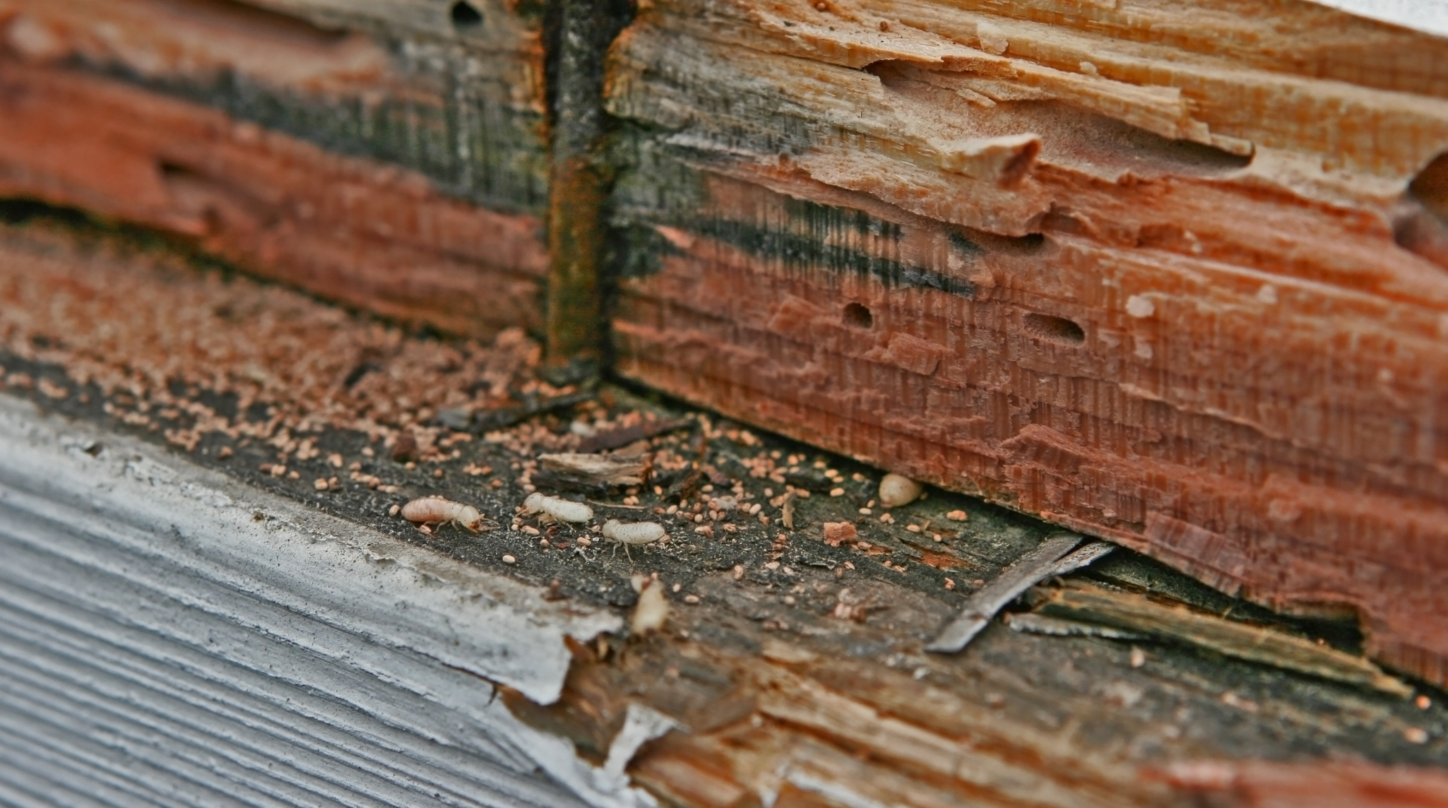
Termites damage roughly 600,000 U.S. homes every year, and nationally, homeowners spend an estimated $5 billion annually on termite control and repair. When damage is found, the average repair bill runs about $3,000 — and that’s before you factor in how long a colony can go undetected. Termite colonies typically take more than five years to grow large enough to cause noticeable damage, which means the infestation eating your framing today may have started before you even noticed a problem.
Here’s what catches people off guard: most homeowners insurance policies don’t cover termite damage at all. It’s classified as a preventable maintenance issue, not a covered peril, so that $3,000 (or more) typically comes straight out of pocket.
This isn’t a problem homeowners here get to skip, either. Connecticut falls in Termite Infestation Probability Zone #2 — moderate to heavy — meaning the risk of termite damage across the state is considered significant. The eastern subterranean termite, the species active here, doesn’t disappear in winter; it just slows down and tunnels deeper below the frost line, staying active underground even through a New England cold snap.
Mold: covered less often than you’d expect
Mold is where things get complicated. Homeowners insurance only covers mold when it’s caused by a sudden, accidental event — a burst pipe, a sudden appliance failure — and even then, coverage is capped. Most standard policies set a mold sublimit of just $5,000 to $10,000, while real remediation costs range from $1,500 for a small bathroom job up to $30,000 or more once mold spreads into structural framing.
The bigger issue for wood-framed homes is what’s excluded entirely: gradual leaks, chronic humidity, and condensation. These are the slow, ongoing moisture problems wood framing is especially prone to, and insurers treat them as the homeowner’s maintenance responsibility, not something to file a claim over. So the scenario most likely to happen with wood framing — slow moisture exposure over years — is also the scenario least likely to be covered.
Filing a claim carries its own cost too. On average, filing any property claim raises your homeowners premium by about 9%, and that increase typically sticks around for three to five years. For a mid-sized mold job, homeowners are often better off financially just paying out of pocket — which means the “hidden cost” isn’t hidden at all once you run the numbers; it’s just deferred to whenever the problem shows up.
Warping: the cost you can see, but rarely plan for
Even without pests or moisture damage, wood moves. It expands, contracts, and warps with humidity and temperature swings over time, which is why wood-framed walls, doors, and trim can shift years after a home is built — showing up as sticking doors, cracked drywall seams, or uneven floors. New England makes this worse than milder climates would: humid summers followed by dry winter heating seasons, plus repeated freeze-thaw cycles, put wood framing through a wider swing than it sees in more temperate parts of the country. None of this is usually dramatic enough for an insurance claim. It’s just ongoing maintenance that adds up in small repairs over the life of the home.
Where steel framing changes the math
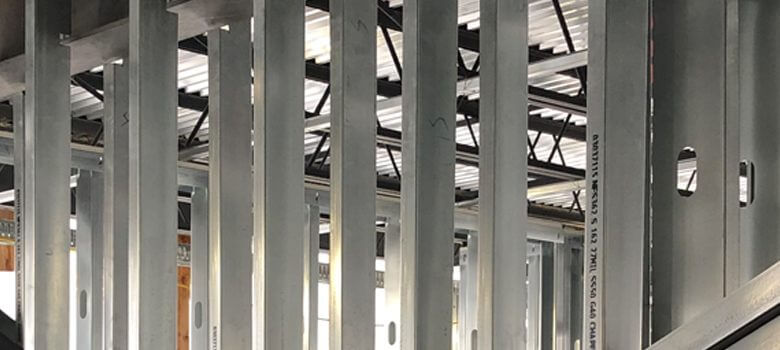
Cold-formed steel framing doesn’t feed termites, doesn’t absorb moisture the way wood does, and won’t warp, shrink, or twist with humidity changes. It doesn’t remove every risk in a home. A burst pipe still causes water damage regardless of framing material — but it removes the framing itself as a variable in three of the most common, least-covered categories of home repair cost.
If you’re building or renovating and weighing framing options, this is one area where cheaper upfront material can end up being more expensive over time.
Curious how cold-formed steel framing could fit your next project? Network Framing Solutions can walk you through it.
Search Our Blog
Categories
Contact Us
Reach out with any questions or schedule a tour at our facility.
Visual
Glossary